


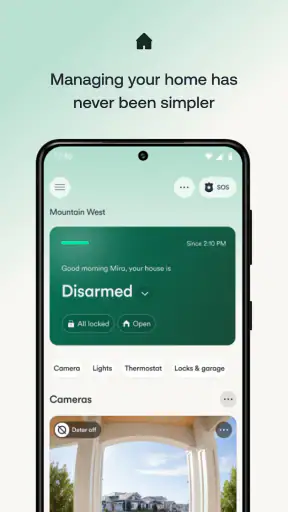
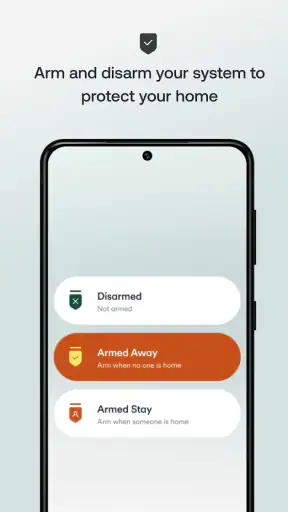
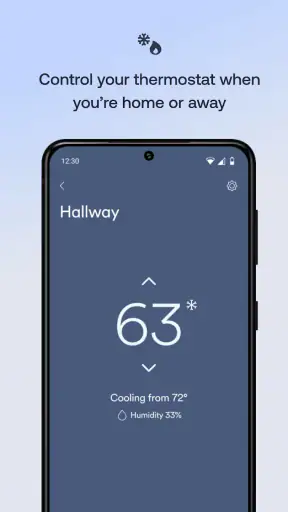

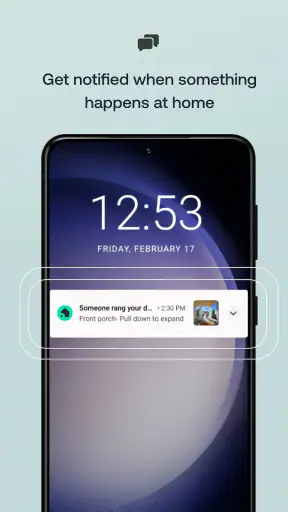
I spent time with Vivint as a home-management app, and my impression is that it makes the most sense when it is connected to a Vivint smart-home setup rather than treated as a general-purpose home automation tool. It is a free app in the House & Home category, developed by Vivint Home, and its central job is to give you a mobile way to interact with your Vivint system. That sounds straightforward, but the practical value depends heavily on whether your home already uses Vivint equipment and services.
The app has been available since March 3, 2014, and its current version is 26.8.300. It requires Android or iOS 12 or later, carries an Everyone age rating, and has grown to over a million installs. Those details tell me that this is an established companion app, not a small experiment, but they do not change the most important buying question: the app itself is free, while its usefulness is tied to the Vivint ecosystem around it.
What Vivint actually gives you for free
The clearest cost point is simple: you can download Vivint without paying for the app. That makes it easy to install and test the mobile experience if you already have a Vivint home setup. However, “free” should not be confused with a complete standalone smart-home solution. The app is designed to control Vivint Smart Home, so its value comes from the compatible system it is intended to operate.
I think this distinction matters more here than it does with many ordinary home apps. A free weather app or shopping list can deliver its main purpose immediately after installation. Vivint is different. If you do not use Vivint equipment or services, installing the app alone is unlikely to give you a meaningful home-control experience. In other words, there is no reason to choose it simply because the download costs nothing.
The practical cost question is therefore about the wider Vivint arrangement, not the download. I would check the equipment, service, and account terms that apply to your home before making a commitment. The app listing establishes free access to the software, but it is not a complete price sheet for the connected-home setup. That is an important boundary for anyone comparing it with standalone devices that can be purchased and used independently.
For an existing Vivint customer, free access to the app is useful because it puts the mobile control layer in one place. You do not need to look for a separate controller every time you want to check or manage your home. For someone starting from scratch, though, the right comparison is not “free app versus paid app.” It is “integrated Vivint system versus a collection of independently chosen products,” with different costs, setup demands, and long-term commitments.
The everyday value is in reducing small decisions
In use, I see the strongest benefit as convenience rather than novelty. A home-control app earns its place when it removes repeated little tasks: checking the state of the home before leaving, managing connected functions from a phone, or handling a situation without walking from room to room. Vivint’s purpose is to make those interactions available through a single mobile interface instead of scattering them across unrelated manufacturer apps.
That centralization can be especially helpful for households where more than one person needs access. Rather than expecting everyone to understand several device brands and several interfaces, a Vivint household can use the same app as the main point of contact with the system. I would still recommend agreeing on simple household habits, such as who checks the home before bed and who handles alerts, because an app cannot solve confusion about responsibility.
A realistic example is a rushed weekday morning. I might leave for work and then wonder whether the home was left in the intended state. With a connected Vivint setup, the app gives me a mobile route back to that information and control instead of forcing me to turn around immediately. The value is not that the task is technically impressive; it is that a two-minute worry can become a quick check while I am already on the move.
Another useful situation is returning home after an unexpected change of plan. If I am arriving earlier than expected, I want the app to be part of a predictable routine rather than something I open only during an emergency. My advice is to decide in advance which actions you genuinely need from your phone and keep the workflow familiar. The more often an app is used for small, repeatable tasks, the more worthwhile its place in the household becomes.
Where the unified approach beats ordinary alternatives
The usual alternative is a mix of brand-specific apps, smart-speaker controls, and manual switches. That approach can be cheaper or more flexible in some homes, especially for people who enjoy selecting each device themselves. It can also create a fragmented experience: one app for one product, another app for another product, and a separate method for checking the wider home.
Vivint’s advantage is the attempt to make the home feel like one system from the phone. That is a meaningful difference for people who would rather have a guided ecosystem than assemble and maintain a personal collection of devices. The trade-off is that the same integration can make Vivint less attractive to someone who wants maximum freedom to mix brands or replace individual components without considering the wider setup.
Compared with a basic smart-home dashboard, I would judge Vivint less by the number of buttons it presents and more by how well it fits the equipment already installed in the home. A generic dashboard may be a better choice for a hobbyist who wants broad experimentation. Vivint is more compelling for a household that values one recognizable control route and does not want every family member learning a different system.
I also would not use the app as a reason to abandon a reliable manual routine. Phones run out of battery, notifications can be missed, and a mobile interface is not automatically better than a physical control for every task. The best experience comes when the app complements sensible household habits instead of becoming the only way anyone knows what is happening at home.
Small workflow choices that make a difference
One non-obvious lesson from using a connected-home app is that convenience improves when you separate routine checks from urgent checks. I would use Vivint for a short morning or evening review, then reserve more careful attention for anything that looks unusual. This prevents the app from becoming a stream of aimless opening and closing, and it makes changes easier to notice.
A second useful habit is to decide what information actually matters before relying on mobile control. If I only need reassurance that the home is in the expected state, a quick check is enough. If I am responding to an unusual event, I should slow down and verify the context rather than tapping through a familiar routine automatically. This is a trade-off between speed and attention that applies particularly strongly to home apps, where a mistaken assumption can matter more than a slow screen.
A third insight is that shared access needs a household plan. The person who installs the app is not necessarily the person who uses it most. I would make sure the people who need the app understand the same basic workflow, know which actions are routine, and recognize when an issue needs a closer look. This is not a flashy feature, but it determines whether a centralized app actually simplifies life or merely moves confusion onto a phone.
I would also keep the app updated when practical, especially because the current release is version 26.8.300 and the phone must run at least Android or iOS 12. An older device can become the weak link in an otherwise modern home setup. Before relying on the app during travel or a busy day, I would open it at home and make sure the account and connected system behave as expected. That simple test is more useful than discovering a login or compatibility problem when I am already away.
The friction I would consider before choosing it
The biggest limitation is ecosystem dependence. Vivint is not the obvious choice for someone who wants to buy a few unrelated smart-home products and connect them in whatever combination seems convenient. Its purpose is strongest inside the Vivint environment, so the app may feel unnecessary or unhelpful if your home is built around another platform.
There is also a psychological trade-off between simplicity and control. A unified app can reduce the number of interfaces you need to learn, but it can also encourage you to think of the home as one large system rather than a set of replaceable parts. If you like changing brands frequently, comparing individual products, or troubleshooting each component yourself, a more open approach may suit you better.
I would not recommend choosing it solely because its average rating is 4.3. That is a solid public signal, and the app has around 172 thousand ratings and 49 thousand reviews, but ratings cannot tell me whether the app matches your equipment, your household habits, or your expectations about control. The large audience suggests that many people find it useful, yet personal fit remains more important than the headline number.
Another point is that a mobile control app can create expectations it cannot always satisfy. Users often want every action to be instant, every status to be perfectly clear, and every household member to understand the same screen in the same way. My experience with apps in this category is that the best results come from treating them as one part of home management, not as a substitute for checking the physical home or understanding how the connected setup is arranged.
Who is likely to get real value from it?
I would recommend Vivint to an existing Vivint customer who wants a convenient phone-based way to interact with the home system. It is also a sensible fit for households that prefer an integrated experience, do not want to juggle many manufacturer apps, and are willing to stay within one ecosystem. The Everyone rating makes it broadly approachable from an age-classification perspective, while the operating-system requirement means older phones should be checked before installation.
It can be particularly useful for people who travel, work irregular hours, or share responsibility for a home. In those situations, the ability to check in through a familiar app can reduce uncertainty. I also see value for less technical family members who would rather use one established app than learn a collection of specialist tools.
I would tell a different story to a smart-home enthusiast who wants open-ended experimentation. If your priority is mixing products from many manufacturers, replacing individual parts whenever a better option appears, or avoiding dependence on one provider, Vivint may not be the right direction. A more flexible platform could give you greater control over the components you choose, even if it requires more setup and maintenance.
It is also not the right pick for someone who has no Vivint-connected home to manage. The free download does not, by itself, turn a phone into a complete smart-home controller. In that situation, I would first compare the equipment and service model that fits your home, then decide whether this app belongs in that plan.
My buy-or-skip verdict
My verdict is straightforward: if you already use Vivint Smart Home, I would install Vivint and make it part of your normal home routine. The free app provides the mobile control layer, and the strongest value comes from having one place to interact with the system instead of relying on disconnected alternatives. Its 1M+ installs and established presence support the view that it is a serious companion product, not an obscure utility.
If you are choosing a home platform from the beginning, I would not download it first and ask questions later. I would compare the complete Vivint arrangement with standalone smart-home options, paying attention to the equipment and service commitments rather than focusing only on the free app. The software can be convenient, but convenience is valuable only when the surrounding ecosystem suits your budget, preferences, and tolerance for vendor dependence.
Overall, I see Vivint as a practical companion for the right household rather than a universal smart-home answer. It delivers the most value through integration, repeatable mobile access, and a simpler shared workflow. Its main weakness is the same thing that gives it purpose: it is closely tied to Vivint. Choose it for the connected home it belongs to, not merely for the fact that the download is free.


